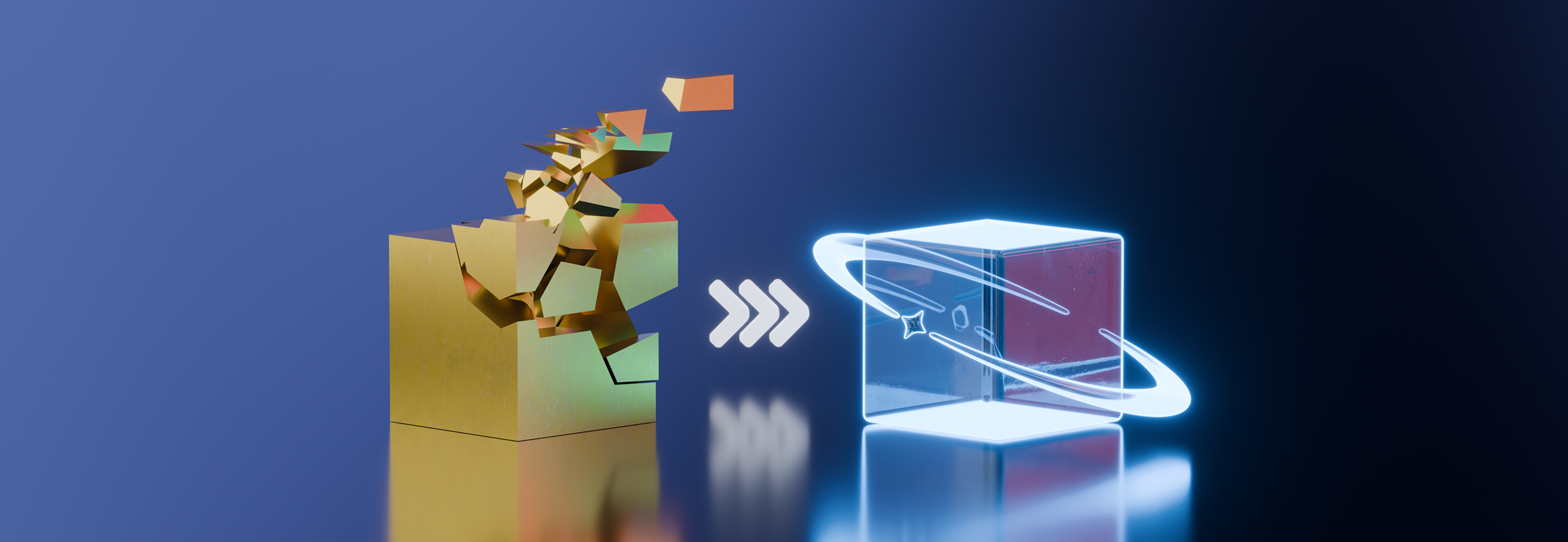
Endpoint Images Were Built for a Different Era
For years, golden images were the standard for provisioning Windows devices. IT teams could create a master image with the operating system, applications, drivers, and security settings they needed, then deploy it across the organization with confidence.
That approach worked well when environments changed slowly. Today, however, Windows updates are released monthly, applications are updated constantly, new vulnerabilities emerge every day, and security policies continue to evolve. At the same time, attackers are moving faster than ever, using automation and AI to identify vulnerabilities and exploit them in increasingly shorter timeframes.
The moment an image is created, it begins falling behind the environment it was designed to support.
The problem isn't that images are poorly built. It's that modern IT environments, and the threats targeting them, simply move too fast.
Drift Begins Before a Device Is Even Deployed
Many organizations think configuration drift happens after a device is deployed. In reality, it often starts much earlier.
By the time an employee receives a new laptop, the image may already contain outdated patches, older application versions, or security settings that no longer reflect current standards. Before the device is officially business-ready, IT teams often need to install updates, apply new policies, and remediate issues that have emerged since the image was created.
That creates additional work for IT, delays the moment an endpoint becomes fully productive and secure, and extends the amount of time the device is operating below your organization's current security standards. In today's threat landscape, even a short delay can increase exposure to newly disclosed vulnerabilities, malware, and other emerging threats.
Static Images Can't Keep Pace With Today's Threat Landscape
The challenge isn't simply that IT environments change quickly. It's that attackers are moving even faster.
AI-assisted reconnaissance, automated vulnerability discovery, and shrinking exploit windows mean organizations have less time than ever to identify, patch, validate, and secure endpoints before they're targeted. Every day a newly deployed device spends catching up to current standards is another day of unnecessary risk.
At the same time, maintaining endpoint images has become an increasingly difficult task. New hardware, application updates, security baselines, and compliance requirements all require images to be rebuilt, tested, and redistributed. The result is an ongoing cycle of maintenance that consumes valuable IT resources while still struggling to keep endpoints aligned with today's requirements.
Static images were designed to create consistency. In today's environment, they often struggle to maintain it.
A Desired State Approach Changes the Conversation
Rather than relying on a static snapshot of what a device looked like weeks or months ago, modern endpoint management focuses on where every endpoint should be today.
A Desired State approach continuously aligns devices with your organization's current requirements, including operating system updates, applications, security configurations, and compliance policies. Whether a device is brand new, recently rebuilt after a cyber incident, or simply receiving routine updates, the objective remains the same: every endpoint reaches a secure, compliant, business-ready state.
Instead of maintaining images, IT teams maintain standards.
Endpoint Readiness Is a Security Strategy
Modern endpoint management isn't about building better images. It's about ensuring every endpoint is always ready.
As cyber threats continue to accelerate and the time between vulnerability disclosure and exploitation continues to shrink, organizations can no longer afford to spend days bringing newly deployed devices up to standard. Every endpoint that isn't fully aligned with current security policies represents another opportunity for attackers.
Today's cyber threats aren't waiting for IT teams to rebuild images or manually catch endpoints up to current standards. Attackers are moving at machine speed, and organizations need endpoint management strategies that can keep pace.
Success is no longer measured by how quickly a device is deployed. It's measured by how quickly every endpoint reaches a secure, compliant, business-ready state—and stays there. Organizations that continue relying on static images are managing yesterday's environment. Organizations built around a Desired State approach are preparing for tomorrow's threats.